
RIDA®Cycler 384
High Precision PCR at Scale
The RIDA®Cycler 384 is designed to deliver outstanding performance across the key parameters that matter most in molecular diagnostics: precision, reproducibility, and reliability. By combining accurate thermal control with consistent optical detection and robust instrument engineering, the platform enables laboratories to generate dependable real-time PCR results day after day. As an integral component of both the RIDA®Xplore Alliance and RIDA®Jump Alliance, the RIDA®Cycler 384 processes routine samples or high-throughput workflows, provides confidence that results are accurate, ensures consistency between runs and is supported by a system built for long-term operational stability.
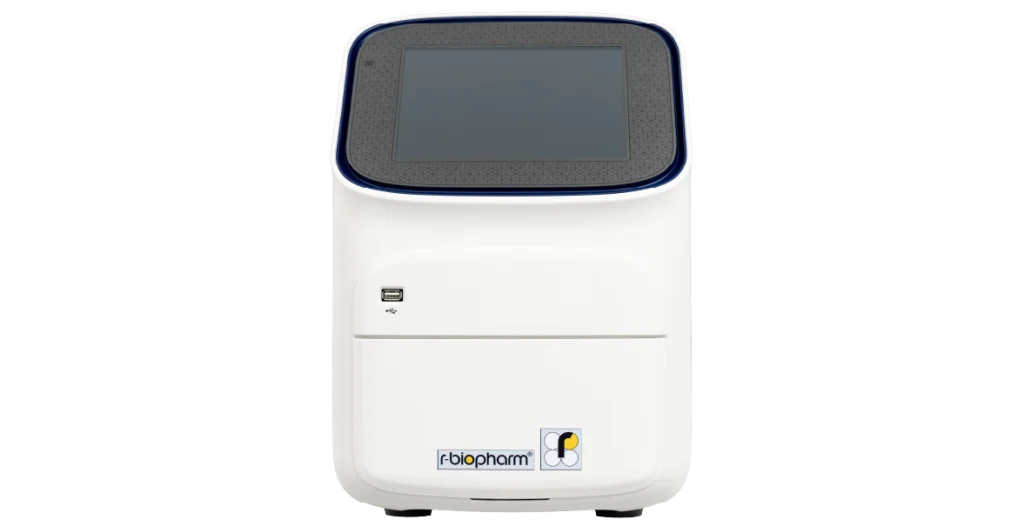
Features & Benefits
- Exceptional precision. Accurately reaches and maintains target temperatures throughout every PCR cycle
- Highly reproducible results. Consistent Ct values with minimal variation
- Uniform thermal performance. Robust temperature distribution across all 384 wells
- Reliable day-to-day operation. Minimal downtime and strong field reliability
- Confidence in every result
Precision
Precision is fundamental to the performance of any real-time PCR instrument, and the RIDA®Cycler 384 is engineered to achieve highly accurate thermal cycling throughout every run. Its advanced temperature control system allows the instrument to reach and maintain target temperatures with exceptional accuracy, ensuring that each amplification step occurs under the intended conditions. This precise thermal regulation minimises variability caused by temperature fluctuations, helping laboratories achieve optimal assay performance and confidence in every result.
Reproducibility
The RIDA®Cycler 384 delivers excellent reproducibility by consistently generating results with very narrow Ct value variation across replicates, runs, and operators. Stable thermal performance, uniform temperature distribution across the plate, and reliable fluorescence detection work together to reduce run-to-run variability and support highly consistent data output. As a result, laboratories can trust that repeated testing of the same sample will produce comparable results, strengthening confidence in data quality and supporting robust diagnostic and research workflows.
Reliability
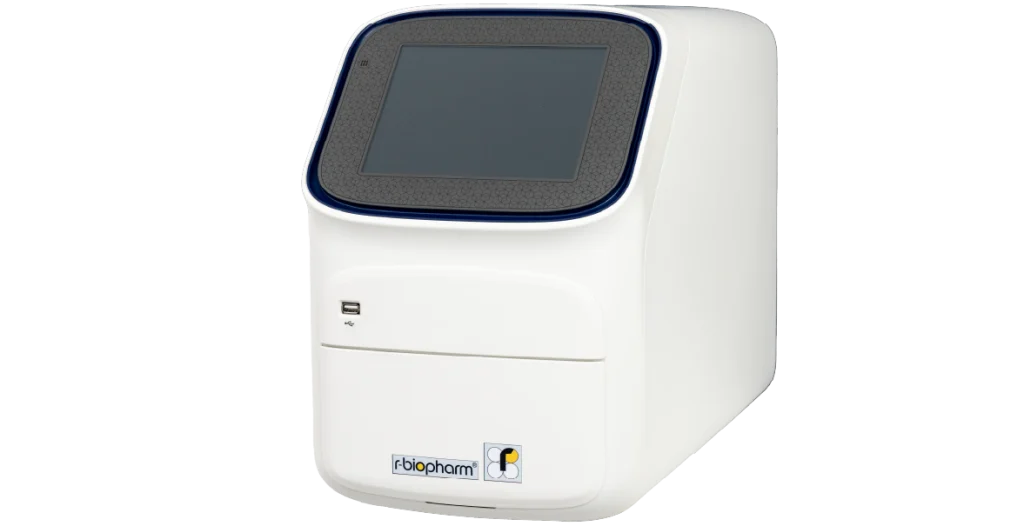
Beyond analytical performance, the RIDA®Cycler 384 is built for dependable operation in demanding laboratory environments. Its robust design and proven engineering contribute to exceptional reliability in the field, minimising downtime and reducing the need for service interventions. In addition, results are automatically analysed and presented in real time as amplification progresses cycle by cycle, enabling users to monitor assay performance and access clear, consistent result interpretation without additional processing steps. This combination of operational stability, automated data analysis, and low maintenance requirements helps ensure confidence in both instrument performance and reporting accuracy.

| Dimensions | 27 W x 50 D x 40 H cm |
| Weight | 26kg |
| Ambient Temperatures | 18 – 26°C |
| Thermal Temperatures | Block: 0 – 100°C, Heated Lid: 105°C |
| Temperature Uniformity | 0.4°C |
| Excitation Range | 450 – 650 nm |
| Detection Range | 500 -700 nm |
| Power Supply | 100 – 240V AC, 50/60Hz |
Seamless Laboratory Integrations
The RIDA®Cycler 384 seamlessly integrates into existing laboratory workflows, with result outputs that can be configured for any laboratory information system. Its real-time data acquisition enables operators to monitor amplification curves and evaluate results before the run is complete. Backed by validated and standardised assay parameters, laboratories can eliminate the need for method optimisation and parameter adjustment between runs. Delivering precision, reproducibility, reliability and ease of use in a single platform, the RIDA®Cycler 384 provides laboratories with confidence in every result.
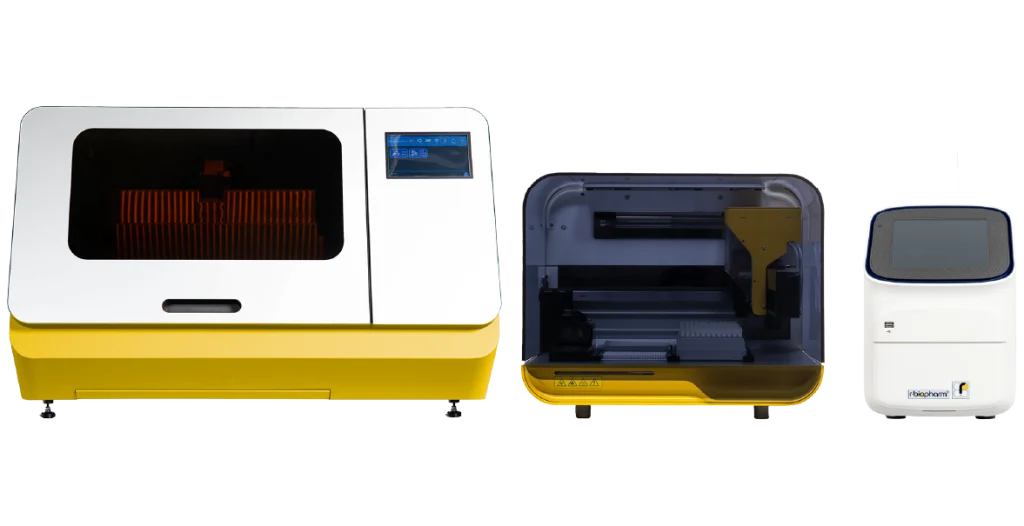
Systems are intended for in vitro diagnostics use by authorised clinical testing laboratories in Australia, New Zealand, Great Britain, and the European Economic Area, and are included on the Australian Register of Therapeutic Goods (ARTG), the MHRA database and compliant with the European Regulation (EU) 2017/746 . In the USA: For Research Use Only (RUO), not for use In diagnostic procedures.