Spoilage Organisms
Spoilage organism testing helps food manufacturers maintain product quality, maximise shelf life and protect brand reputation by detecting microorganisms that affect taste, texture, appearance and product stability. While these organisms may not always pose a direct health risk, they can lead to product deterioration, customer complaints and costly waste. R-Biopharm Australia’s microbiology solutions provide reliable detection and enumeration of spoilage organisms across a wide range of food, beverage and environmental samples, helping laboratories and manufacturers maintain consistent quality from production through to distribution.
Protect Product Quality Before It Reaches the Shelf
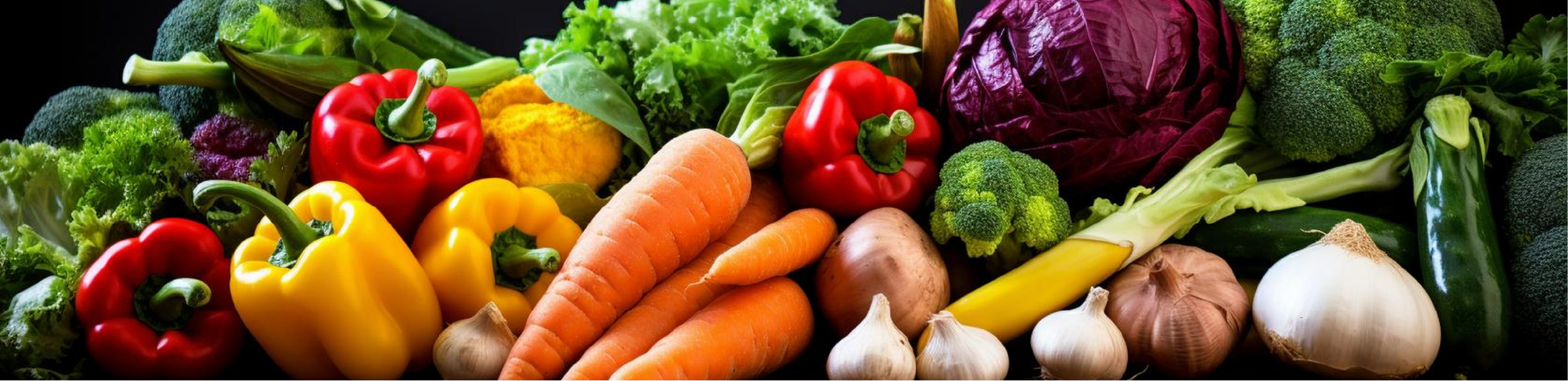
A wide range of food commodities are susceptible to spoilage, as these organisms can grow in diverse environments and on many types of products. Meat and meat preparations, dairy items, and egg-based foods are particularly prone to deterioration due to their high nutrient content. Fresh produce, including vegetables, fruits, herbs, and spices, may be affected by handling practices, processing steps, or storage conditions. Cereals, ready-to-eat meals, and beverages are also at risk, with spoilage often causing turbidity, off-flavours, or other noticeable defects that compromise quality.
To support producers in managing these risks, R-Biopharm offers a comprehensive portfolio of real-time PCR kits designed for the rapid and precise detection of spoilage organisms. These molecular systems provide high specificity and sensitivity, making them suitable for a wide variety of food matrices and production environments. The beverage industry in particular benefits from targeted qPCR solutions that quickly identify spoilage bacteria and yeasts responsible for cloudiness, gas formation, or undesirable flavours.
By integrating advanced PCR-based testing into quality assurance programs, manufacturers can maintain consistent product standards and strengthen their control over spoilage risks. This proactive approach helps safeguard product integrity, reduce financial losses, and ensure that consumers receive foods and beverages that meet high expectations for freshness and quality.
Products By Microbiological Contamination





Product Portfolio
Ordering Information
| Ref | Description | Number of Tests/Amount | |
|---|---|---|---|
| Q231 / Q232 / Q233 | QuickGEN PCR Kit Screening and Differentiation of Wine Spoilers | 96 Reactions / 24 Samples | |
| Q221 / Q222 / Q223 | QuickGEN PCR Kit Screening and differentiation of Wine Spoilers | 96 Reactions / 12 Samples | |
| Q705 | Simplex® Easy Spin Plus | 50 Preparations | |
| Q583 | QuickGEN PCR Kit Zygosaccharomyces rouxii | 48 Reactions | |
| Q982 | QuickGEN PCR Kit Yeast universal -Low- | 48 Reactions | |
| Q982 | QuickGEN PCR Kit Yeast Universal -Low- | 48 Reactions | |
| Q091 / Q092 / Q093 / Q094 | GEN-IAL® QuickGEN P1 and Dekkera spp. Screening | 48 Reactions | |
| Q360 | GEN-IAL® Dekkera bruxellensis Standard DNA | 1 x Standard 1 200000 cfus / 2.5μL DNA | |
| Q183 | GEN-IAL® QuickGEN PCR Kit S. cerevisiae var. diastaticus White | 48 Reactions | |
| Q563 | GEN-IAL® QuickGEN Yeast Zygosaccharomyces bailii White | 48 Reactions | |
| Q562 | GEN-IAL® QuickGEN Yeast Zygosaccharomyces bailii Low | 48 Reactions | |
| Q555 | GEN-IAL® QuickGEN Yeast Dekkera spp. | 50 Reactions | |
| Q553 | GEN-IAL® QuickGEN Yeast Dekkera spp. White | 48 Reactions | |
| Q552 | GEN-IAL® QuickGEN Yeast Dekkera spp. Low | 48 Reactions | |
| Q551 | GEN-IAL® QuickGEN Yeast Dekkera spp. High | 48 Reactions | |
| Q532 | GEN-IAL® QuickGEN Wild yeast 2 Low | 48 Reactions | |
| Q525 | GEN-IAL® QuickGEN Wild Yeast 1 | 50 Reactions | |
| Q321 / Q322 / Q333 / Q324 | GEN-IAL® QuickGEN Wine Screening | 48 Reactions | |
| Q181 | GEN-IAL® QuickGEN Yeast Saccharomyces diastaticus High | 48 Reactions | |
| Q163 | GEN-IAL® QuickGEN Yeast Bottom Fermented White | 48 Reactions | |
| Q162 | GEN-IAL® QuickGEN Yeast Bottom Fermented Low | 48 Reactions | |
| Q153 | GEN-IAL® QuickGEN® Yeast Top Fermented White | 48 Reactions | |
| Q152 | GEN-IAL® QuickGEN® Yeast Top Fermented Low | 48 Reactions | |
| Q081 / Q082 / Q083 | GEN-IAL® QuickGEN Beer Differentiation | 96 Reactions | |
| Q071 / Q072 / Q073 | GEN-IAL® QuickGEN Beer Yeast and Bacteria Differentiation | 96 Reactions | |
| Q051 / Q052 / Q053 / Q054 / Q055 | GEN-IAL® QuickGEN P1 Screening and Hop Resistance | 48 Reactions | |
| Q031 / Q032 / Q033 / Q034 | GEN-IAL® QuickGEN P1 Screening Without Yeast | 48 Reactions | |
| Q331 / Q332 / Q333 / Q334 | GEN-IAL® QuickGEN Wine Screening Without Yeast | 48 Reactions | |
| Q535 | GEN-IAL® QuickGEN Wild Yeast 2 | 50 Reactions | |
| Q522 | GEN-IAL® QuickGEN Wild Yeast 1 Low | 48 Reactions | |
| Q021 / Q022 / Q023 / Q024 / Q025 | GEN-IAL® QuickGEN P1 Screening | 48 Reactions | |
| Q143 / Q145 | GEN-IAL® QuickGEN Enterobacteriacea spp. | 50 Reactions | |
| Q182 | GEN-IAL® QuickGEN Yeast Saccharomyces diastaticus Low | 48 Reactions | |
| Q041 / Q042 / Q043 / Q044 / Q045 | GEN-IAL® QuickGEN P1 and S. diastaticus Screening | 48 Reactions | |
| Q175 | GEN-IAL® QuickGEN Yeast Wickerhamomyces anomalus | 50 Reactions | |
| Q151 | GEN-IAL® QuickGEN® Yeast Top Fermented High | 48 Reactions | |
| Q161 | GEN-IAL® QuickGEN Yeast Bottom Fermented High | 48 Reactions | |
| Q112 | GEN-IAL® QuickGEN Pectinatus / Megasphaera Differentiation Low | 48 Reactions | |
| Q105 | GEN-IAL® QuickGEN Hop Resistance | 50 Reactions | |
| Q345 | GEN-IAL® Biogenic Amines | 50 Reactions | |
| Q095 | GEN-IAL® QuickGEN Biofilm | 50 Reactions | |
| F5506 | SureFast® Parasitic Water Panel 4plex | 100 Reactions | |
| Q095 | GEN-IAL® QuickGEN Biofilm | 50 Reactions | |
| Q721 / Q723 / Q724 / Q725 | GEN-IAL® QuickGEN Alicyclobacillus Differentiation | 48 Reactions | |
| Q371 / Q372 / Q373 | GEN-IAL® QuickGEN Dekkera bruxellensis Quantitative | 48 Reactions | |
| Q561 | GEN-IAL® QuickGEN Yeast Zygosaccharomyces bailii High | 48 Reactions |
Supporting Quality Across Every Food Category
Spoilage organism testing is used throughout the food and beverage industry to verify product quality, monitor processing environments and support shelf life studies. Applications include dairy products, meat, seafood, beverages, bakery products, fresh produce, fermented foods and ready-to-eat meals. By monitoring microbial quality throughout production and storage, manufacturers can reduce unnecessary product losses, improve consistency and deliver products that meet consumer expectations.
Technology Designed for Efficient Laboratory Workflows
Delivering consistent microbiological results depends on dependable laboratory technologies as well as validated assays. R-Biopharm Australia’s portfolio supports routine spoilage organism testing with solutions designed to simplify workflows, improve reproducibility and increase laboratory efficiency.
Whether performing high-volume microbial enumeration with Compact Dry™, or integrating complementary testing technologies across broader food quality programs, our solutions provide laboratories with the flexibility to meet changing production demands while maintaining confidence in every result.