
Viruses
Food virus testing plays a vital role in protecting public health by identifying viral contamination before products reach consumers. R-Biopharm Australia’s molecular testing solutions provide rapid, sensitive detection of foodborne viruses in food, environmental and production samples using validated real-time PCR technology. Designed for routine laboratory workflows, our portfolio helps food manufacturers, testing laboratories and regulatory organisations strengthen food safety programs, investigate contamination events and maintain confidence in product quality.
Detect Viral Contamination with Confidence
Unlike bacteria, foodborne viruses do not grow in food, making sensitive detection methods essential for identifying contamination at the earliest opportunity. Viruses such as norovirus and hepatitis A virus are among the leading causes of foodborne illness worldwide and can spread through contaminated water, raw ingredients or food handling practices. R-Biopharm Australia’s food virus testing solutions provide laboratories with reliable molecular tools to support early detection, rapid investigation and effective contamination control.
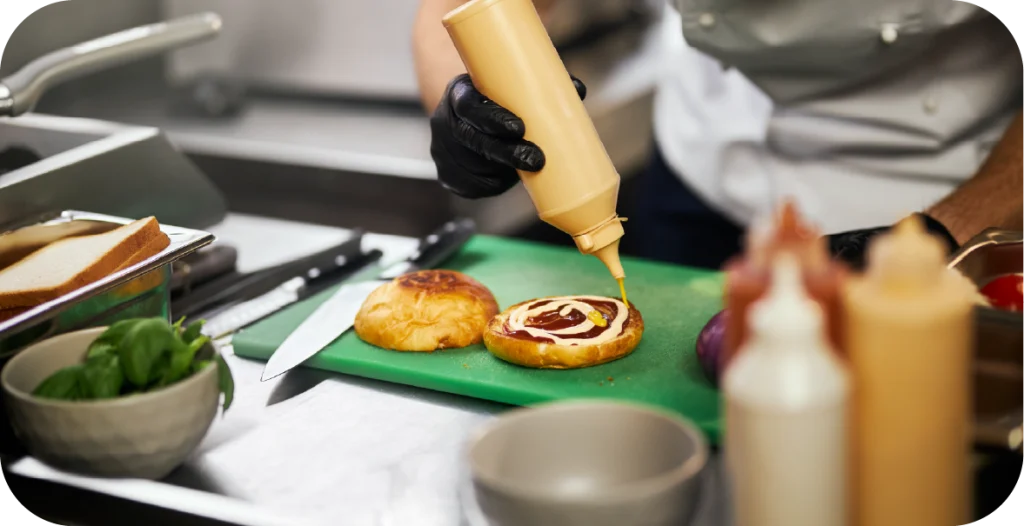
Common Foodborne Viruses
Hepatitis A virus can cause serious infections, primarily affecting the liver. Symptoms include gastrointestinal complaints, fever, and skin rash. The virus is mostly transmitted through contaminated drinking water (including ice cubes), contaminated food (mainly mussels, oysters, fruit, and vegetables), or via smear infection.
Noroviruses are responsible for more than 90% of non-bacterial gastroenteritis cases due to their extreme environmental stability. They can cause outbreaks in community facilities such as hospitals, nursing homes, and healthcare facilities. Symptoms include vomiting, diarrhea, and nausea. While norovirus infections can occur year-round, there is an increase during winter months, often referred to as “winter vomiting disease.” The virus can be transmitted directly from person to person or indirectly through contaminated surfaces, objects, food (e.g., mussels, fruits, and vegetables), or water. The minimum infectious dose is between 10 to 100 viral particles.
Real-Time PCR for Sensitive Virus Detection
Reliable food virus testing requires analytical methods capable of detecting extremely low levels of viral genetic material. R-Biopharm Australia’s portfolio utilises validated real-time PCR assays to deliver high sensitivity, specificity and reproducibility across a range of food and environmental samples. These molecular technologies help laboratories reduce turnaround times while providing confidence when investigating suspected contamination or conducting routine food safety monitoring.
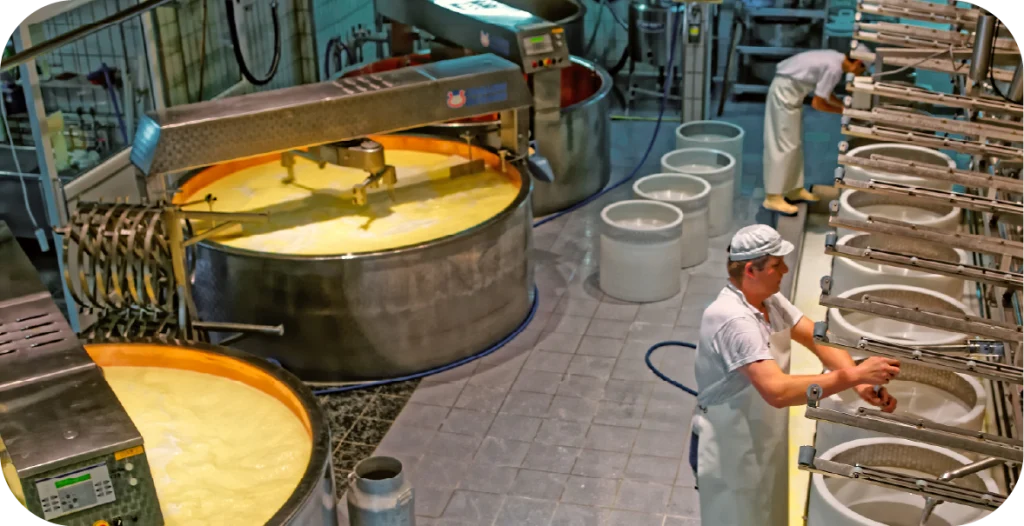
Products By Microbiological Contamination





Product Portfolio
Ordering Information
| Ref | Description | Number of Tests/Amount | |
|---|---|---|---|
| F7142 | SureFast® Hepatitis E PLUS | 100 Reactions | |
| F7125 | SureFast® Hepatitis A PLUS | 100 Reactions | |
| F7124 | SureFast® Norovirus/Hepatitis A 3plex | 100 Reactions |
Supporting Safer Food Production
Food virus testing is an important component of modern food safety systems, supporting environmental monitoring, raw material assessment, contamination investigations and product verification. Whether testing fresh produce, shellfish, frozen foods or processing environments, R-Biopharm Australia’s solutions help laboratories identify viral contamination quickly, strengthen quality assurance programs and reduce the risk of foodborne transmission.
Viruses in Food: Why You Should Check Your Food for Norovirus

Technology That Delivers Reliable Molecular Workflows
High-quality PCR assays perform best when paired with dependable laboratory instrumentation. R-Biopharm Australia’s integrated molecular workflow includes the RIDA®CYCLER for accurate real-time PCR analysis. These technologies help laboratories increase throughput, minimise manual handling and deliver consistent, high-quality results for routine food virus testing.